40 a Day —
Gamifying Wellbeing.
A personal project born out of my own struggle with consistency. 40 a Day helps users spend 40 minutes each morning exercising, meditating and planning — turning wellbeing into a daily habit through gamification and behavioural psychology.

How can we help people stay on top of their wellbeing in an era of digital distractions?
Burnout and lack of self-care are increasingly common. The solution needed to tackle the challenge of building lasting habits from three levels — drawing on two psychological frameworks.

BJ Fogg's Behavioural Model

The Three Keys to Success
The perfect balance of all three elements — Aspiration, Inspiration and Motivation — could set users up for the success of building everlasting habits.
Three features. One 40-minute morning routine.
The app has three features, each mapped to one of the psychological pillars.
The core feature recommends exercise and meditation videos with fresh content available every day. Users don't need to spend time searching — they just get on with their routine.
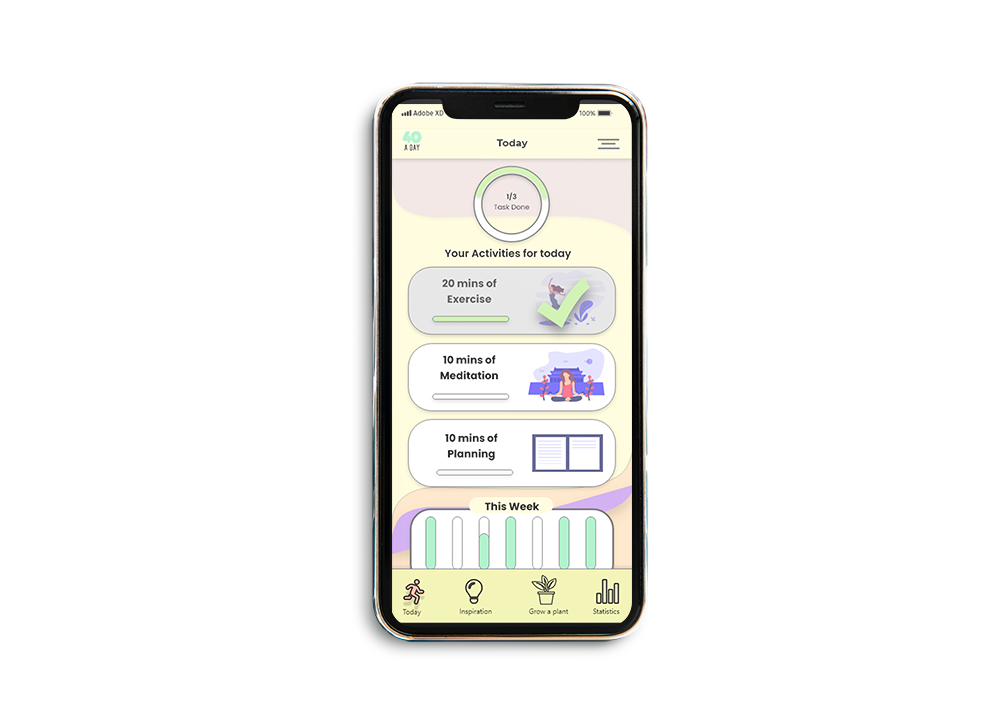
Home screen — three daily activities ready to go
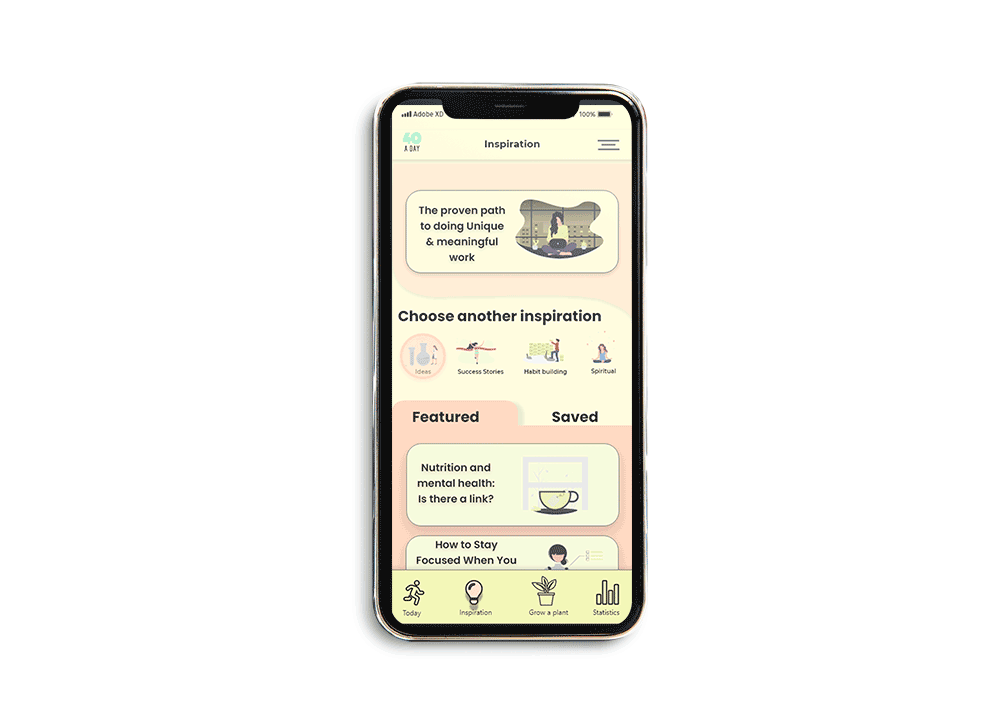
Engaging content is recommended daily — success stories, scientific research, how-to tutorials — in formats including blogs, videos and audio, based on user preferences.

Daily content recommendation — personalised to user preferences
The motivation mechanic evolved through testing. The final solution: a virtual plant that grows a little every time the three daily activities are completed, motivating users to return each day.
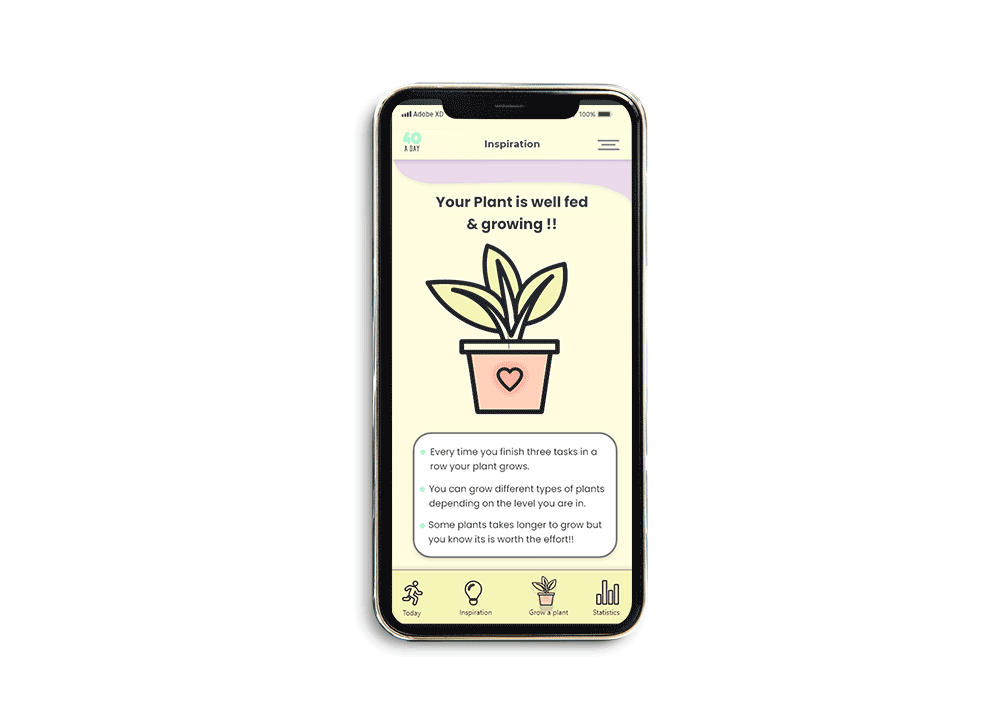
Grow a plant — virtual reward that compounds with daily consistency
Problem statement, competitor analysis + user interviews
Problem Statement
Our health conscious users need a way to build healthy habits with regards to food, exercise and wellbeing — because they lack the motivation and time to follow a consistent schedule everyday.
Competitor analysis — Productive + Headspace
I analysed two apps: Productive (a habit tracking app) and Headspace (a meditation app), examining their market positioning, content strategy and UX approach.

Productive — market profile
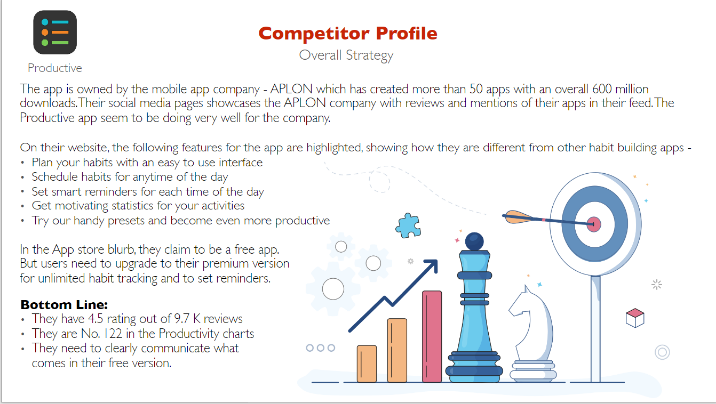
Productive — content strategy

Headspace — market profile
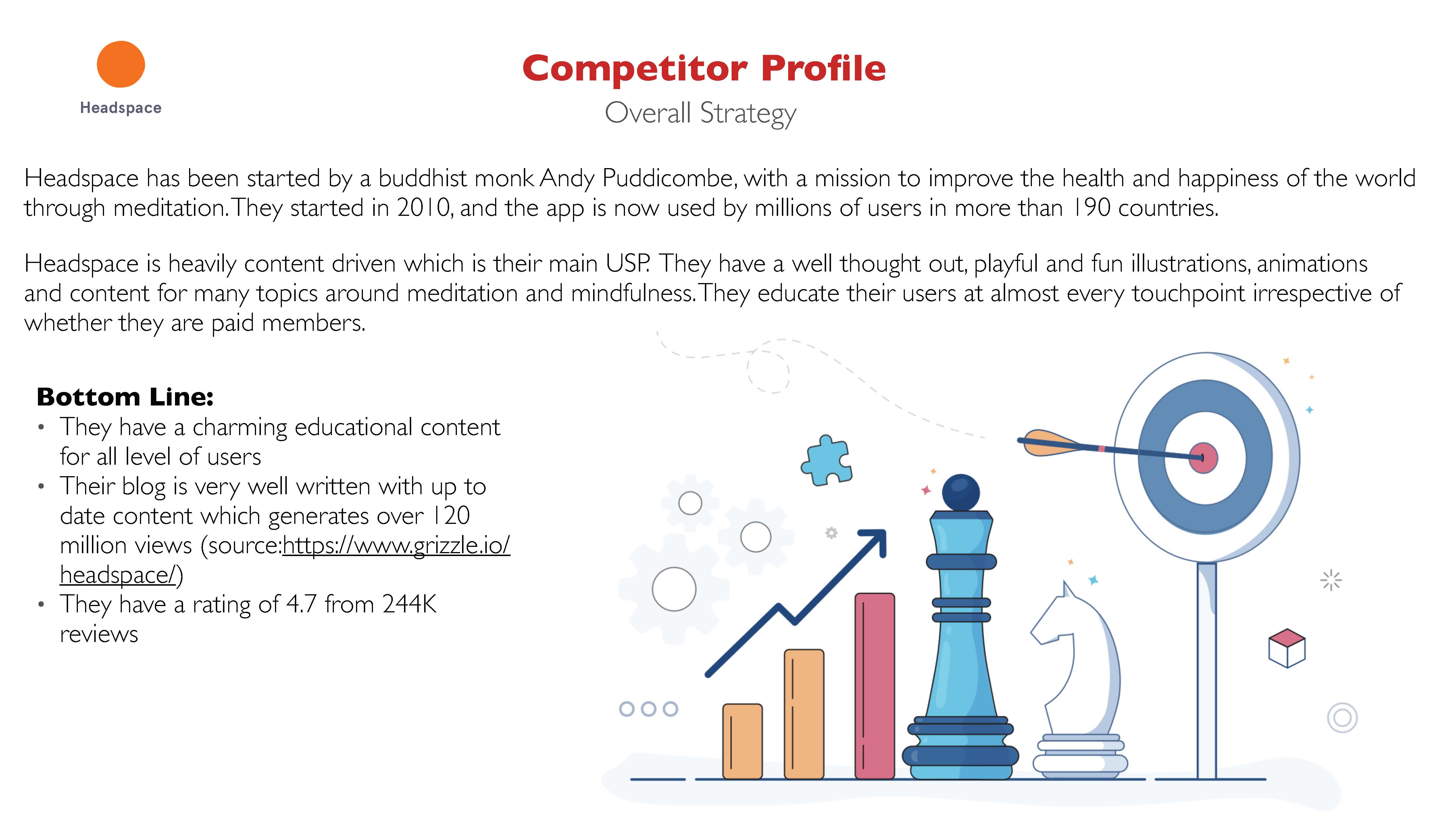
Headspace — content strategy
User interviews — 15 surveys + 3 in-person
Results were analysed using empathy maps to understand mental models, pain points, goals and frustrations.

Empathy map — participant 1
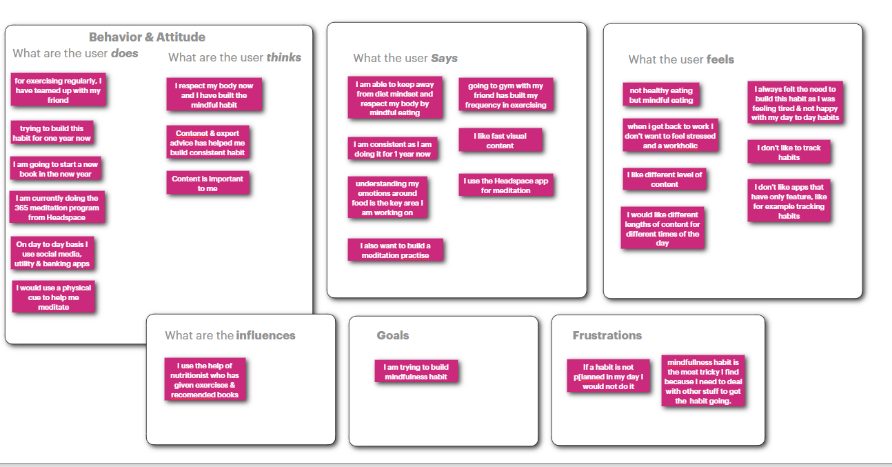
Empathy map — participant 2
Persona, user journey + user flow

Ella has just started a new role she enjoys, but long hours and a 40-minute commute have left her with no time to take care of herself.

User journey map — Ella's experience across touchpoints

User flow — primary persona Ella
Four mini problems to solve
Low fidelity wireframes
Wireframes mapped out the core screens and navigation structure before moving into high fidelity.

Lo-fi wireframes — all core screens mapped before moving to high fidelity
High fidelity wireframes — three features
Three daily activities — exercise, meditation and planning the day. Fresh content available every morning, no searching required.
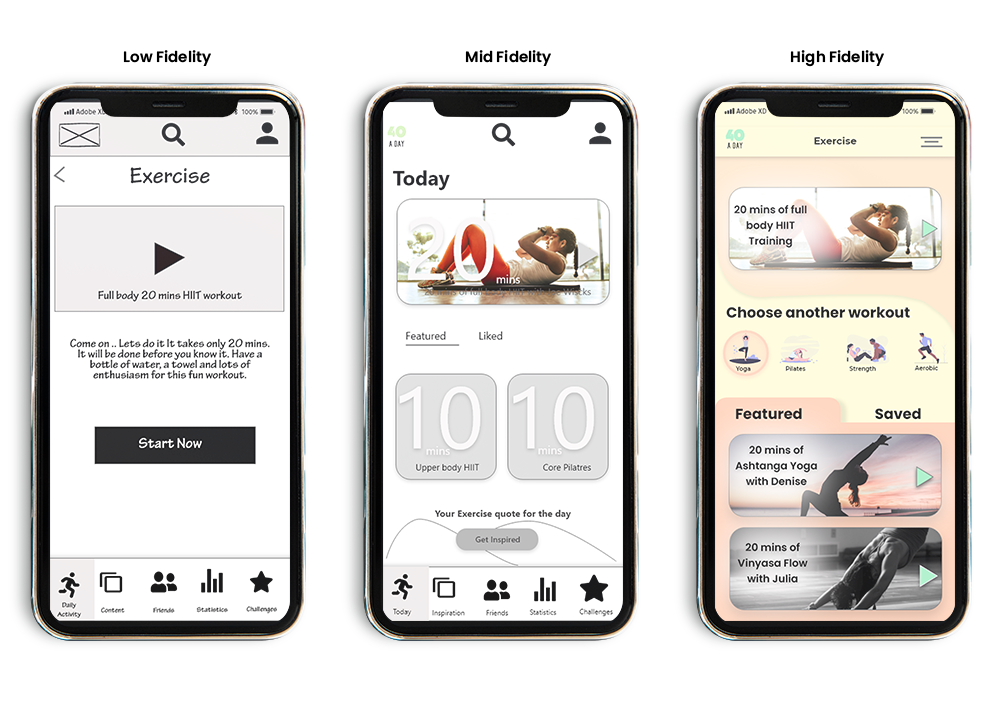
Exercise, meditation and planning — the core daily loop
Exclusive recommended content delivered daily, tailored to preferences — success stories, tutorials, scientific research, in blog, video or audio format.
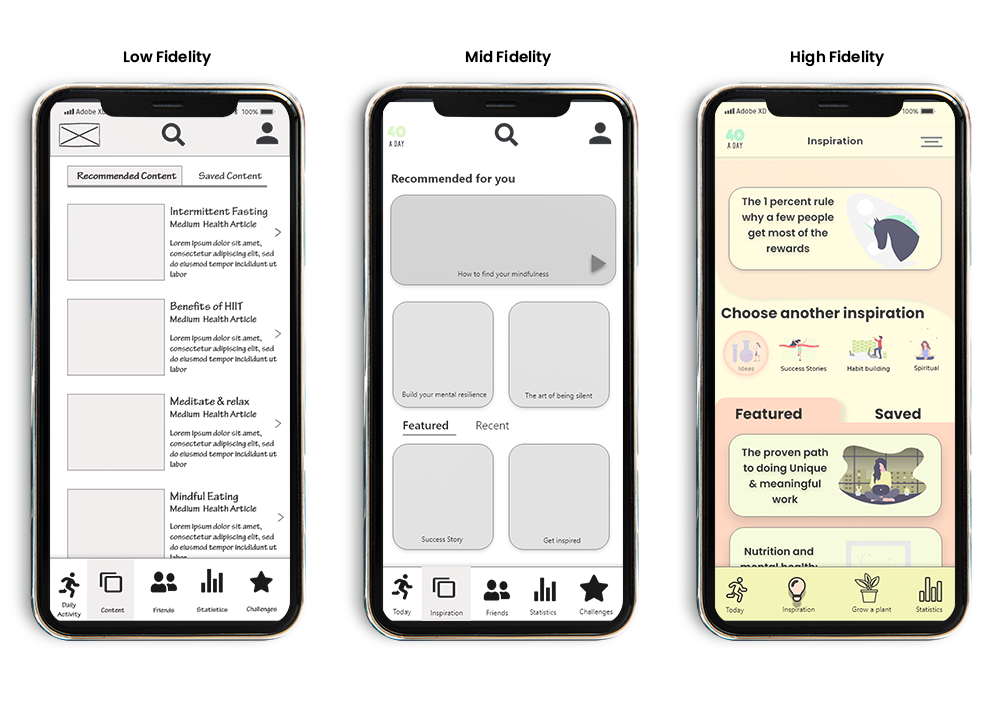
Inspirational content — personalised daily recommendations
The initial motivation concept involved performing challenges with friends to create a social streak. This was later iterated based on usability testing feedback.
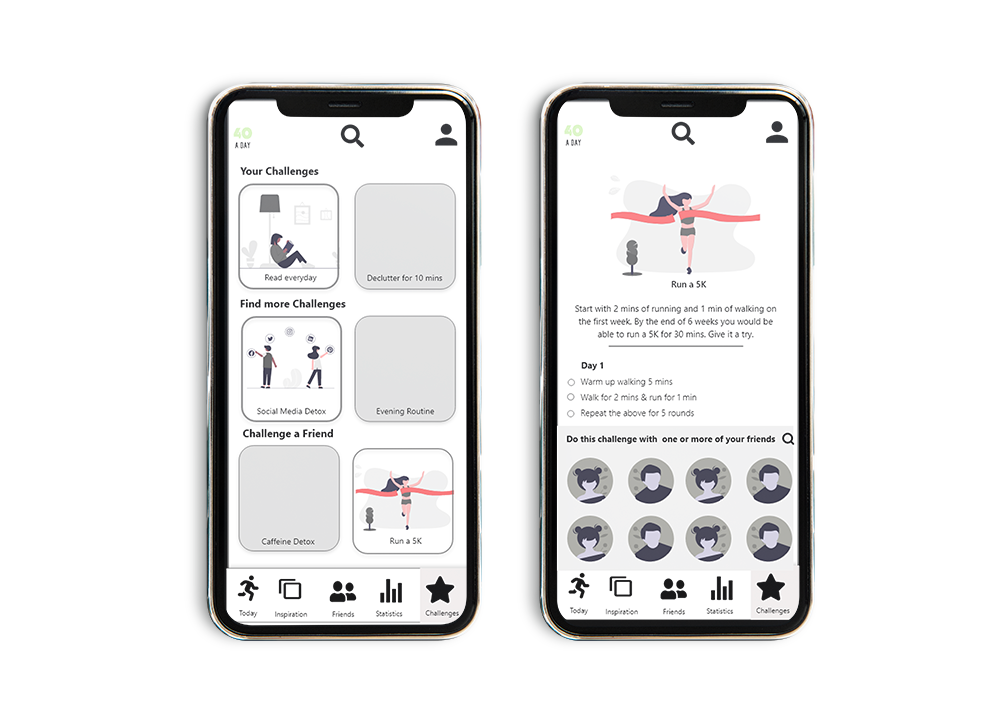
Challenge screens — initial motivation concept (iterated after testing)
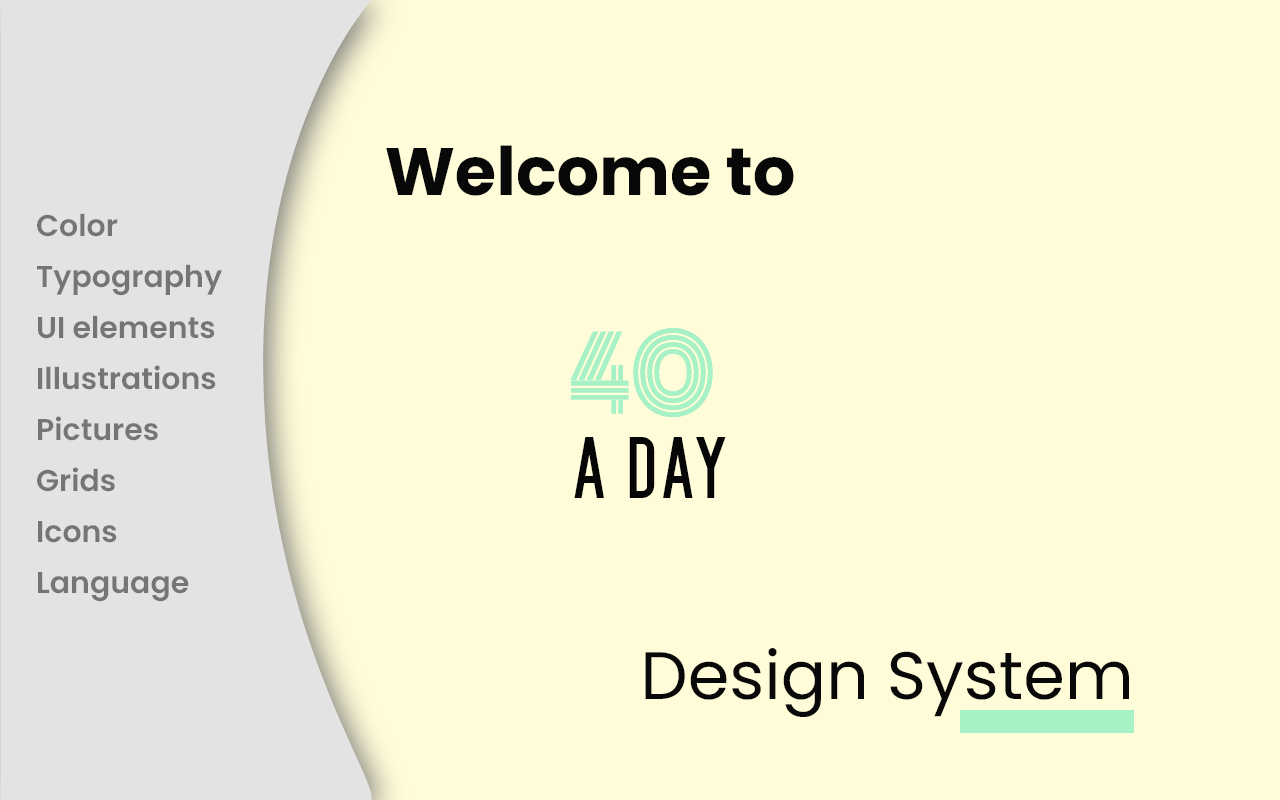
Full design system including colours, typography, components and patterns.
View in Adobe XD →Usability testing — 6 participants over Zoom
Tests were conducted remotely over Zoom with six participants matching the end user demographics. Results were organised using affinity maps and a rainbow spreadsheet.

Observations + feelings affinity map

Rainbow spreadsheet — results by participant
Three key issues, three design decisions
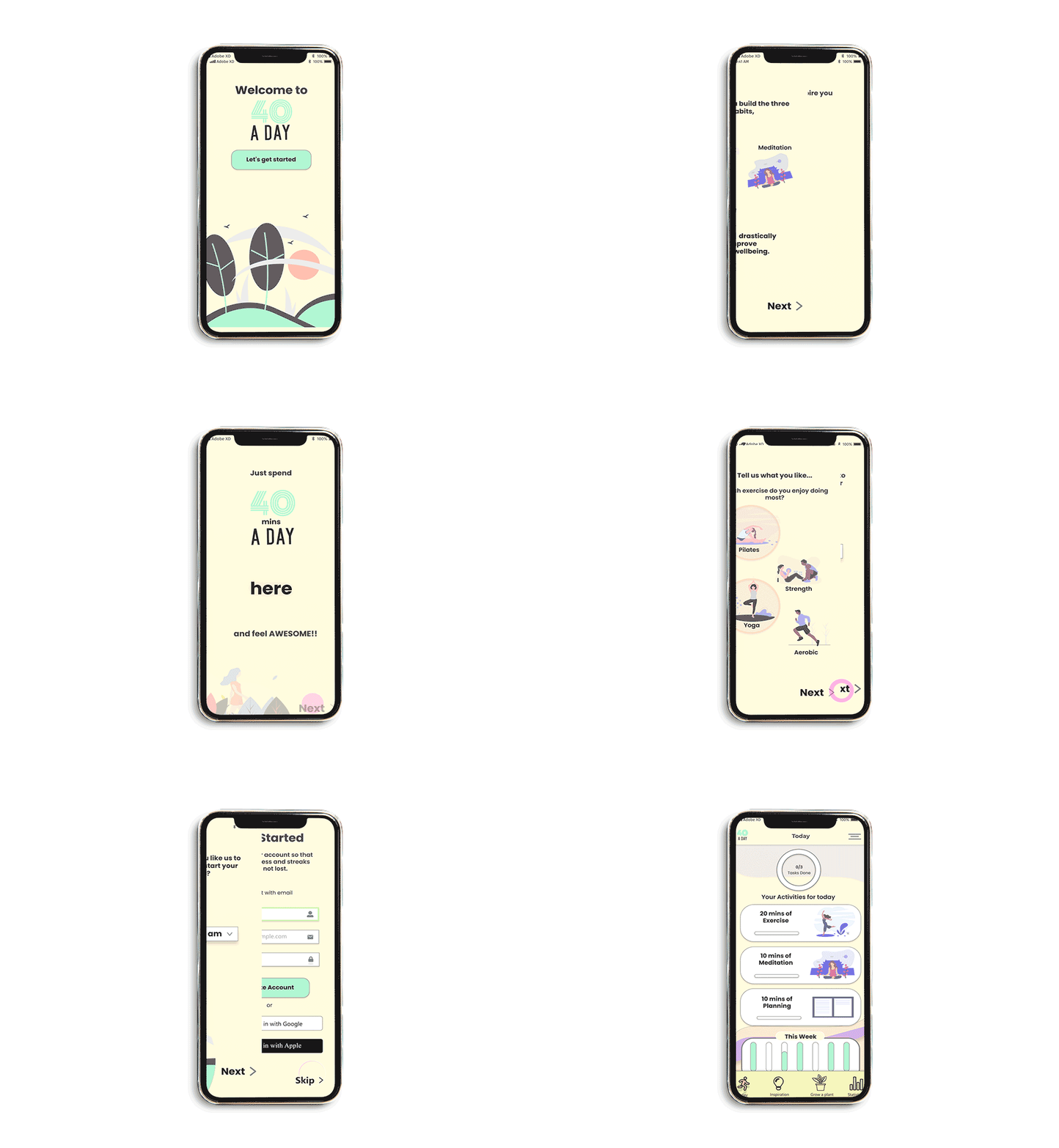
Updated onboarding — narrative-driven to communicate the 40-minute concept clearly
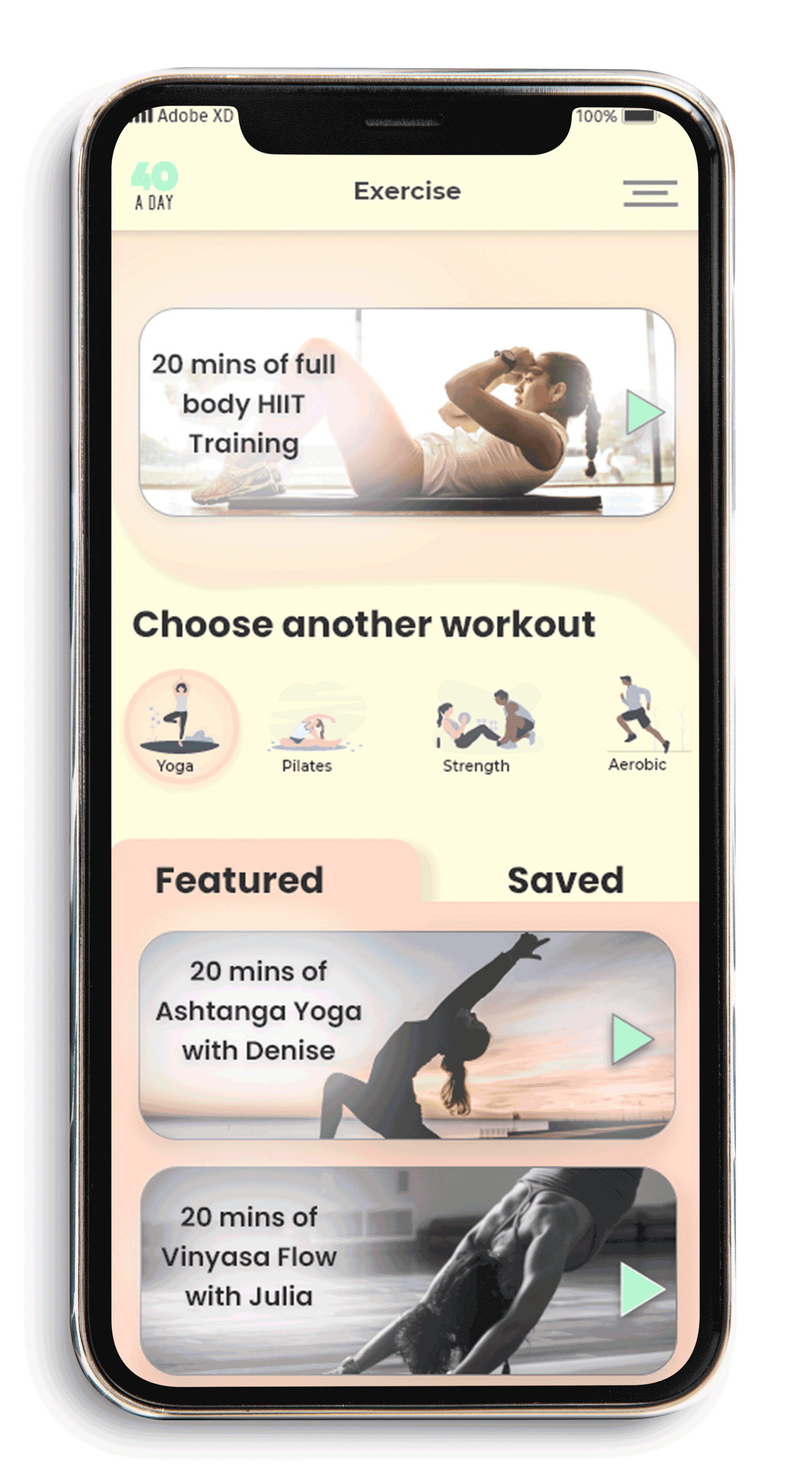
Before — video selection was not discoverable
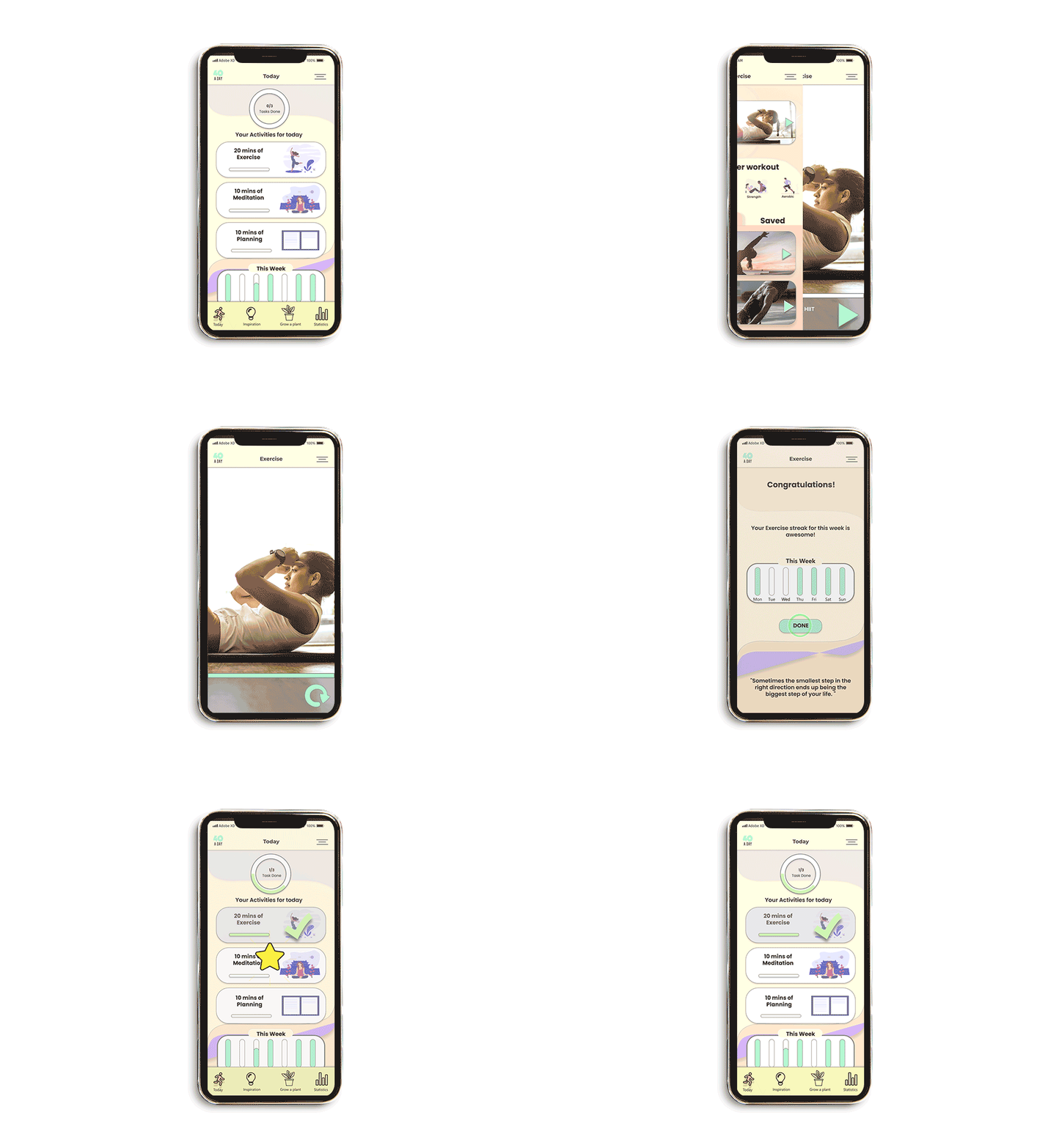
After — choose your workout is now visually prominent and intuitive
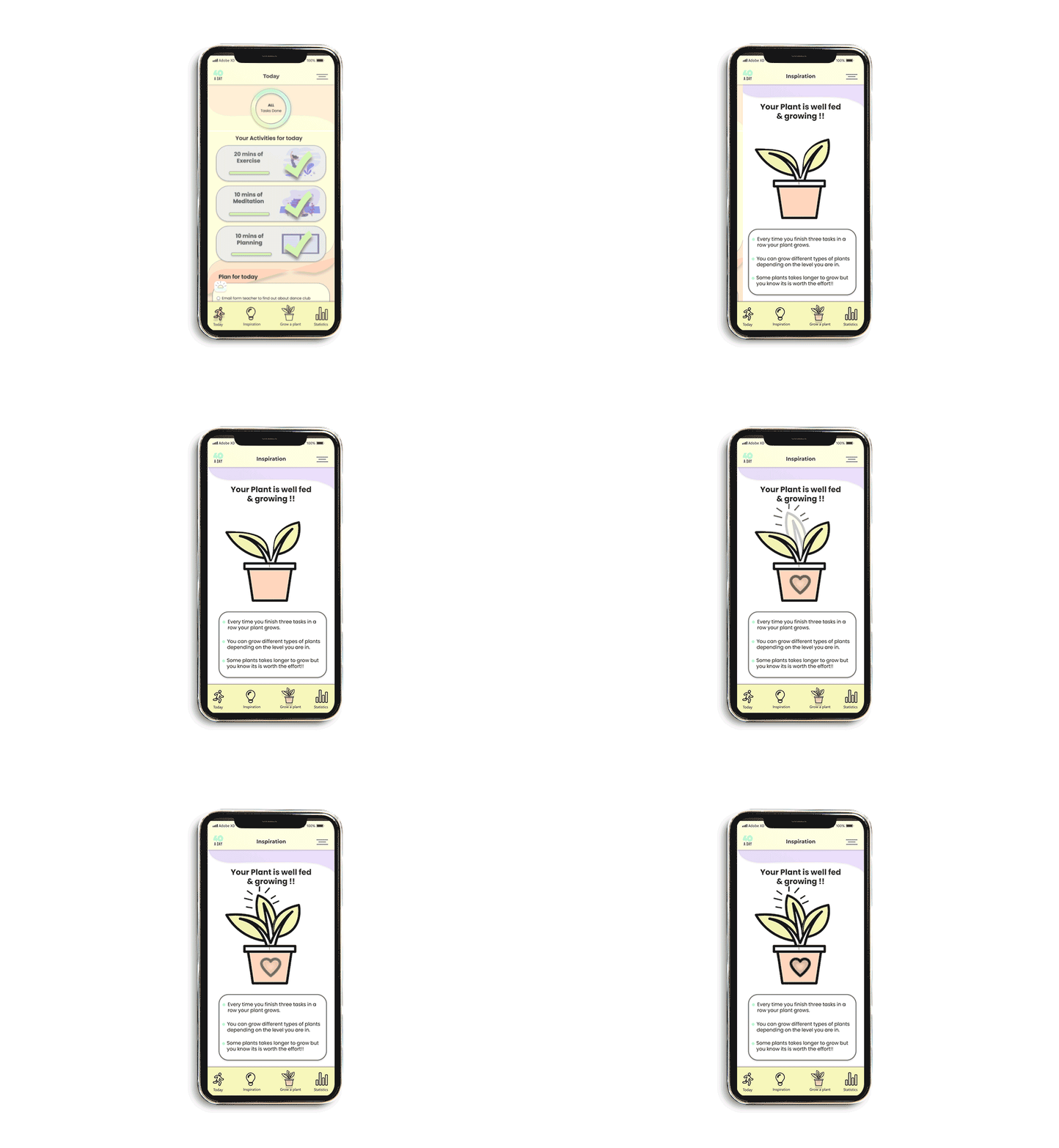
New motivation mechanic — grow a virtual plant by completing the three daily activities
The complete product

Feature 1 — exercise, meditation and planning the day (40 minutes)
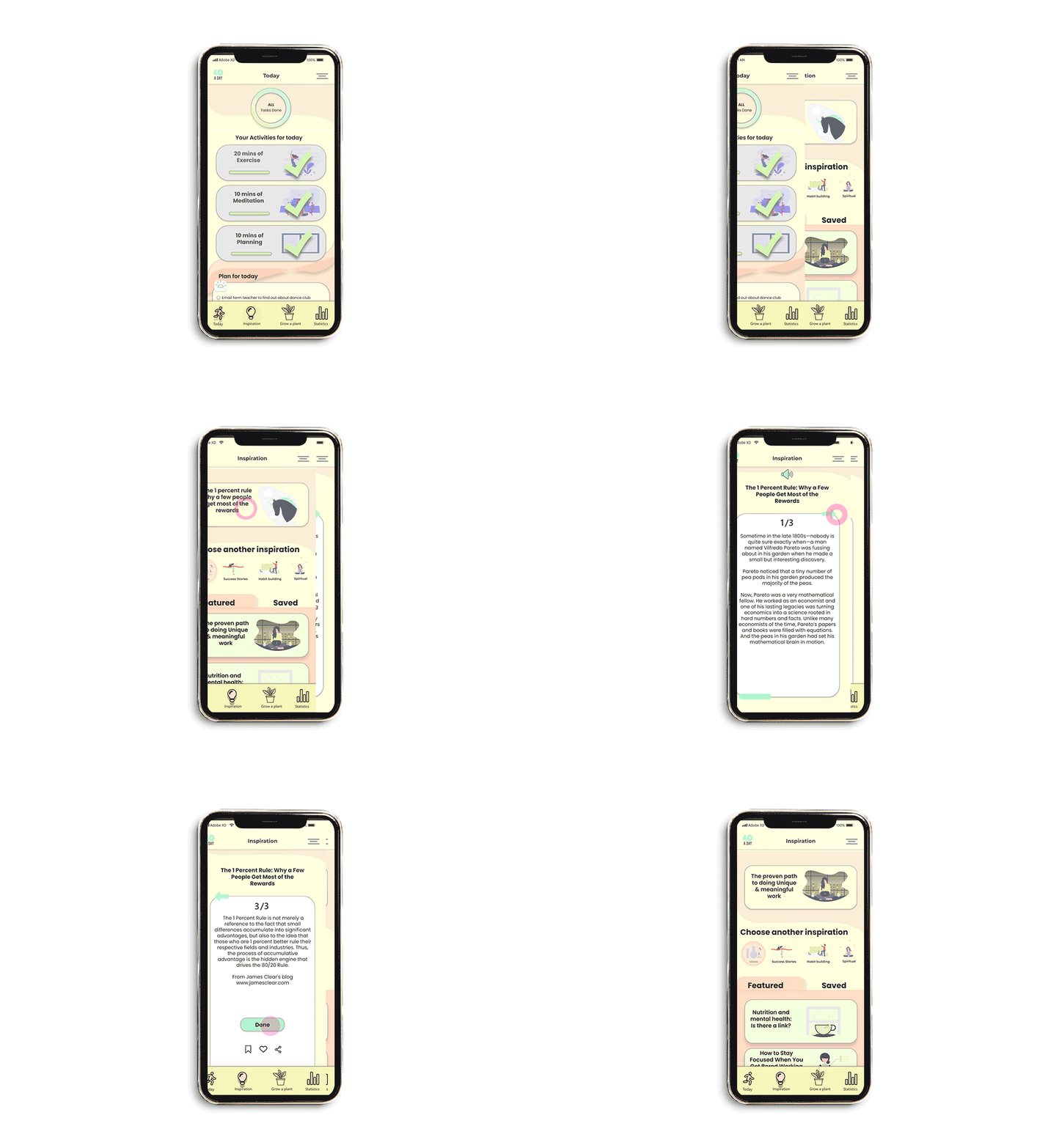
Feature 2 — daily recommended content based on preferences

Feature 3 — the plant grows when all three activities are completed for the day
Other screens

Welcome page

Login page
Set preferences page
Homescreen — user logs in
Statistics page

Accessibility screen options
Content / inspiration page

Plan your day screen